If you’re in the medical field or you’ve ever been around a hospital, chances are you’ve heard of the phrases “If it’s not documented in the patient’s medical record, it didn’t happen,” and “Make sure that diagnosis shows up in the discharge summary.” These two phrases epitomize the field of Clinical Documentation Integrity (CDI).
Keeping accurate and comprehensive clinical records is an important part, secondary in importance only to the delivery of quality care, of any provider’s job. However, it’s easy to let certain details slip through the cracks. After all, clinicians work long hours and see a lot of patients, they may not remember to note every step in the path from admission to discharge. Multiple steps along the way include the reporting of signs and symptoms of disease, to differential diagnoses, to a definitive diagnosis, and finally its treatment and surgery performed. All of these steps must meet the documentation and coding specifications of health insurance providers.
Discharge summaries are that final step, the end-all, be-all of clinical documentation. If it’s not in the discharge summary, even if it is documented along the way, it may unwittingly lead to denials and coding issues simply on the basis of incomplete or inconsistent information in the medical record.
Luckily, there is a solution to this common problem: EHR-embedded CDI tools that serve as a safety net, regardless of other AI tools like Ambient and Auto-Scribe technology, that you may have in place. The goal is to anticipate the loose ends before a Coder even realizes what a provider may have forgotten to write.
What’s a discharge summary and why does it matter?
Let’s start with the basics here: a discharge summary is one of the most important clinical documents physicians have to file. It is completed at the end of a patient’s hospitalization and is meant to be a compilation of the patient’s hospital course, including their most significant findings, adverse events of treatment, and what follow-up care will be needed after their hospital stay, this can then be used by hospitalists or any attending physician on the case.
In general, a discharge summary should have standard key elements: a patient’s medical history, diagnoses, medication changes, procedures, return advice and follow-up plans, per a Postgraduate Medical Journal article. The problem is, often, these summaries are written by junior physicians, who are inexperienced in the art of documentation, or hastily written by senior physicians who have other patients to see. This means that discharge summaries can be incomplete or contain inaccurate information, making work harder for both the physicians who have continuity of care with these cases and the insurers who make a final decision as to whether and how much to reimburse.
Unfortunately, this impacts not only the clinicians themselves but their patients. Discharge summaries that don’t specify a clear diagnosis and outline how that conclusion was reached can be denied by healthcare payers, even if the diagnosis is stated in other parts of the clinical documentation. Think of the discharge summary as a place where all of the patient’s medical information should be consolidated and repeated.
And when it comes to representing diagnoses, physicians need to be sure they are doing so in the correct way. For example, if a clinician decides to leave the final diagnosis as a symptom without linking to an underlying cause, or note a suspected (to be ruled out) diagnosis in other parts of the clinical documentation but not in the discharge summary, this could also lead to denials. Finally, if there is a procedure done that will be billed for as a CPT/PCS code, the medical necessity of that procedure needs to be documented.

What does HITEKS do about it?
The good news is that CDI tools were created for exactly this reason, to predict some of the issues physicians make within medical records before they finalize them.
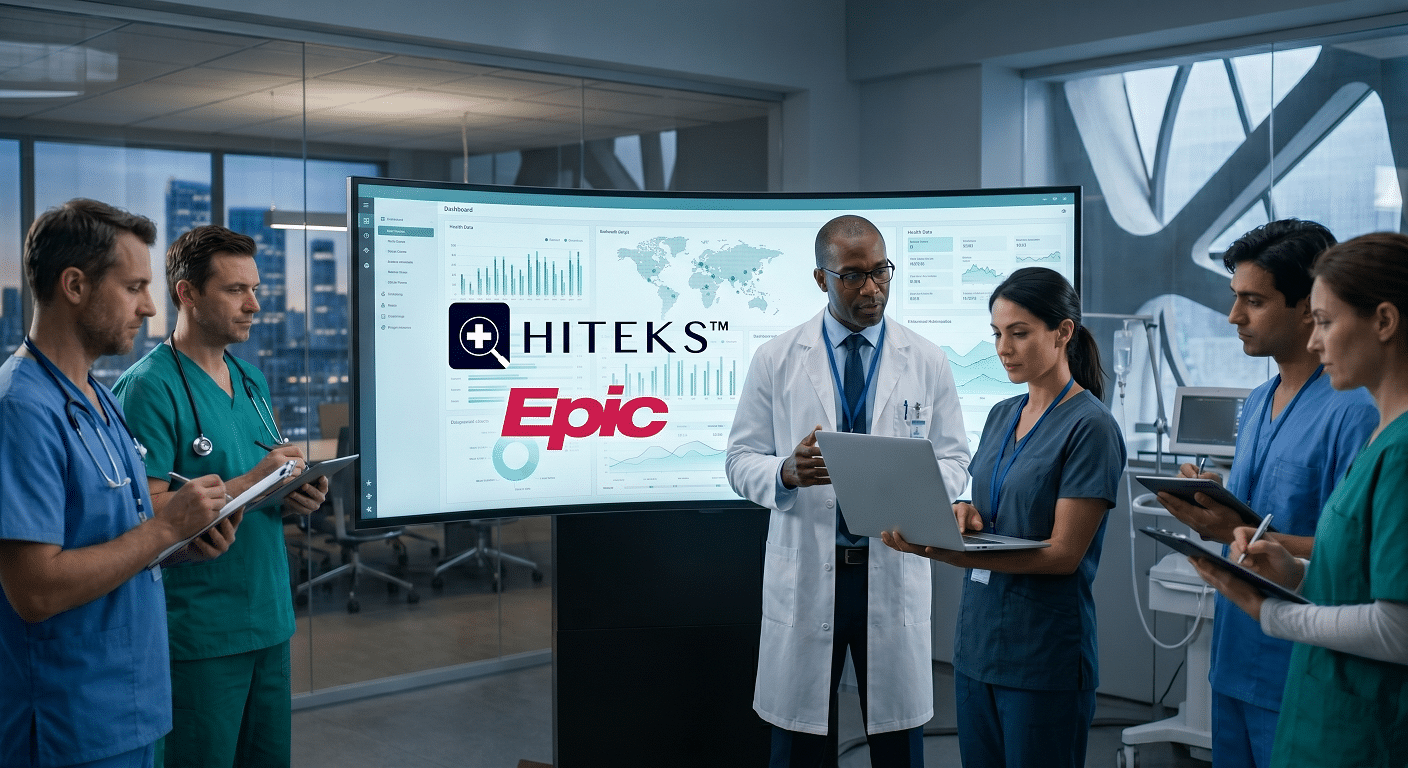
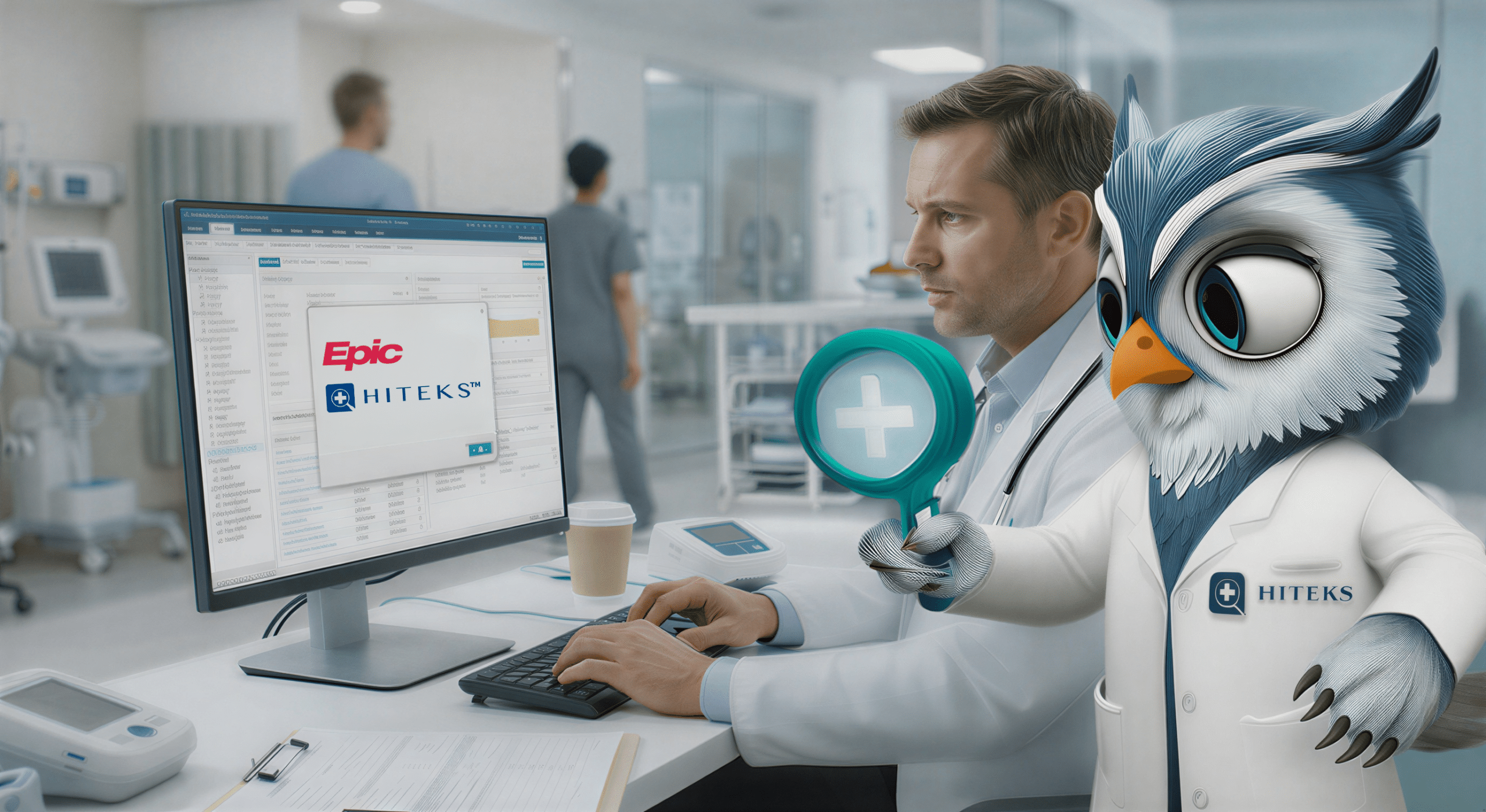
As HITEKS works to optimize its latest products for both Provider-facing and CDI Specialist-facing workflows, including its Sage360 for Epic NoteReader CDI, we know that medical professionals and healthcare providers want nudges, reminders and suggestions that anticipate. We know that the discharge summary is a clear area of improvement for doctors and benefits patients through clearly stated findings and instructions on next steps in their care. And we have engineered our system to send these clarifications in real-time whenever a missing or inadequately substantiated diagnosis exists in the discharge summary.
Our hope is to cut out the inefficient, late advice that comes after the patient’s discharge. With HITEKS as part of your team, your clinicians will have more accurate paperwork, spend less time in the chart, and with better results. Find out more about how we can help you at www.hiteks.com.