Physicians often order imaging and analytical tests like an MRI or a blood draw for one of 3 reasons: to get closer to a patient’s accurate diagnosis, to serve as prevention of a disease and to monitor the progress of a disease.
In many cases, these test results are meant to rule out certain diagnosis options (from what is called a differential diagnosis list) which help increase the confidence of another diagnosis in the differential list as the likeliest cause of a patient’s signs and symptoms. In medicine there are few examples of where a set of signs or symptoms as patient findings is absolute for only one diagnosis.
Maybe a patient comes in complaining of a persistent cough and a pain in their chest. The clinician wants to check whether they have pneumonia, so they order a sputum culture, looking at the fluid in their lungs, and blood tests, to determine whether there are signs of an infection. If either of these come back negative, this can help the physician understand whether the patient is dealing with pneumonia or something else entirely, such as a cardiovascular or musculoskeletal condition.
The negative sputum fluid or blood test indications are considered pertinent negatives for pneumonia. Aside from providing information to doctors, they have a second purpose—helping healthcare providers get more accurate diagnostic codes, known as ICD-10 for diseases and CPT or PCS for procedures.
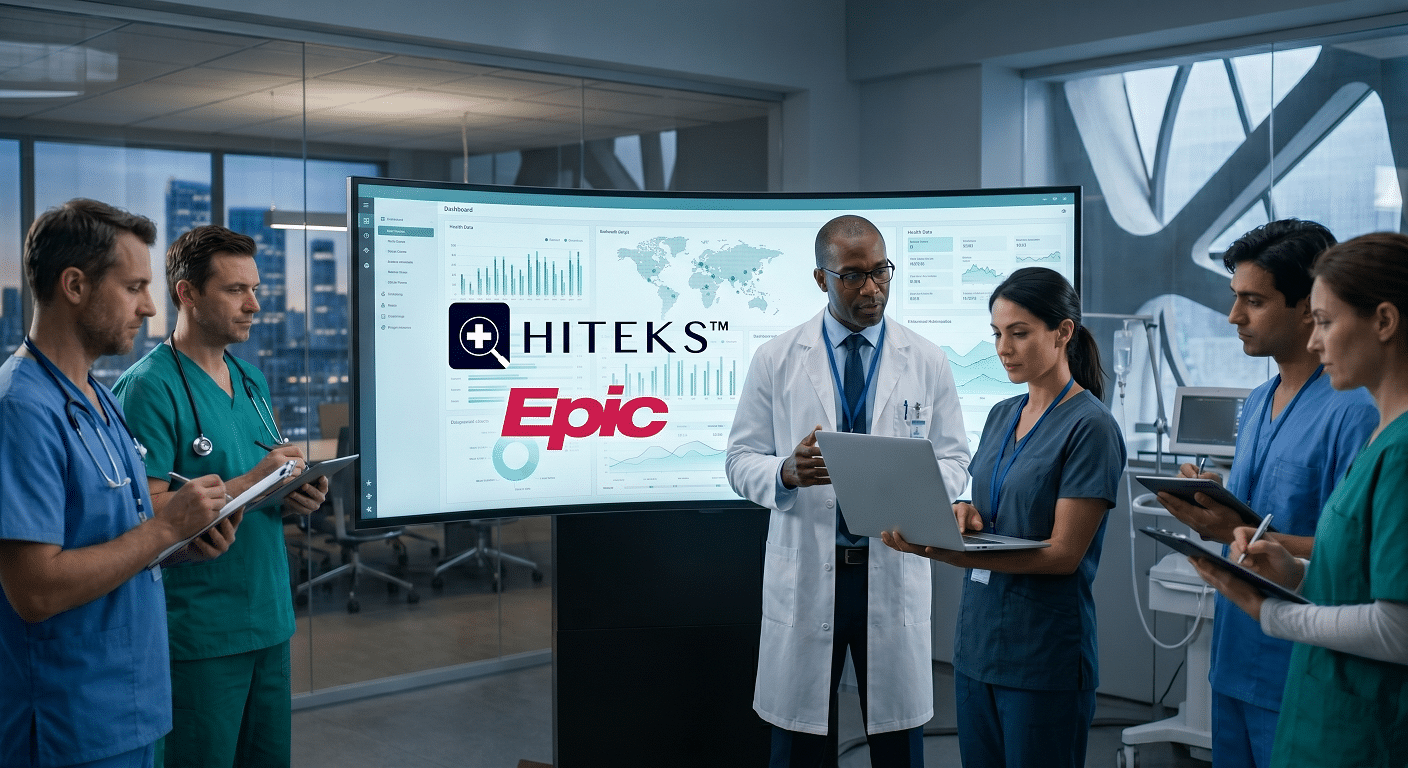
The problem is that clinicians don’t always realize that they should record and interpret even the negative tests on their clinical documentation. That’s where a clinical documentation improvement tool like HITEKS’ Epic-embedded software and AI products can help. If doctors are prompted to fill in the gaps with relevant information on their patients’ records the first time, then physicians, hospitals and patients are more likely to be happy with the end result.
How do pertinent negatives work?
Pertinent negatives help doctors explain why one diagnosis is more valid than another. When a patient enters an emergency room or medical setting, they may report one principal symptom and not a lot of other details. It’s the clinician’s job to ask the right questions and test for the right indicators, but it’s also their job to make sure these steps are recorded. Think of solving a math problem: it’s important to show your work.
Clinicians are generally evaluating a list of possible diagnoses each time they encounter a new patient. In the case of our original patient complaining of a cough, a physician might decide that a pneumonia diagnosis is not possible based on tests they’ve ordered. Another patient may come in complaining of a severe headache, but if they have no clear neurological deficits, then it’s unlikely that they are having a stroke.
Yet if physicians only note the positive results and not the multiple steps taken to obtain and interpret them, healthcare administrators will have a hard time actually substantiating and coding these diagnoses properly.

How HITEKS uses pertinent negatives to get better outcomes
Unlike other revenue cycle companies who claim to have discovered prioritization algorithms and machine learning insight into patient records, HITEKS understands the data and documentation from the physician perspective. We want to make medical records easier to understand and code the first time around in order to limit lengthy and costly pre-bill analysis. Our goal is to get fewer denials and better documentation which can satisfy the ever-growing need for quality metrics and hospital benchmarks.
The first way that happens is through substantiating a diagnosis. Uncertain or unsubstantiated diagnoses are one of the leading reasons for denials. CDI and Diagnostic AI that is trained on pertinent negatives make for fewer false positives and an improved ability to interpret the evidence and rule out certain diseases. Research shows that pertinent negatives are currently an under-used information source for diagnostic AI systems.
That’s why HITEKS is currently working on product updates that will allow us to query doctors on pertinent negatives and test results that they may have missed documenting the first time around. Our CDI tools, like CAPD360 Insight for NoteReader CDI and Queryless CDI, will prompt clinicians with pertinent negatives relative to their suspected diagnosis to help create better and more efficient documentation. Our products are proven to reduce burnout in physicians and get better outcomes for patients. Learn more about how HITEKS can help you at www.hiteks.com.