Why more and more hospitals are modernizing their electronic health records and why you should, too
As our lives become increasingly digital, U.S. healthcare providers are facing a universal truth: medical record processes must modernize. The good news? High-impact transformation is simpler than you think. You don’t need to rely on ChatGPT for answers, and you certainly don’t have to start from scratch.
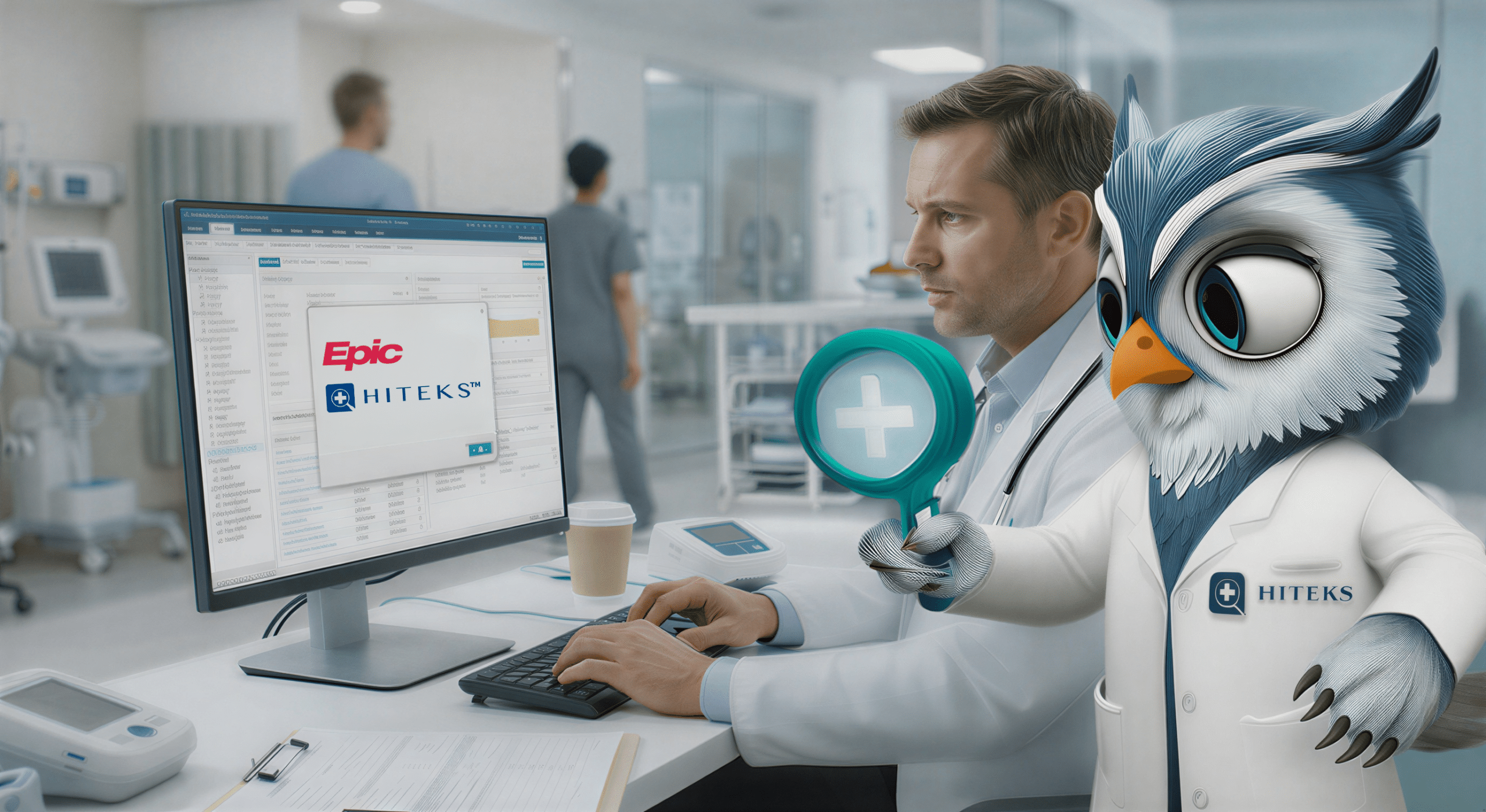
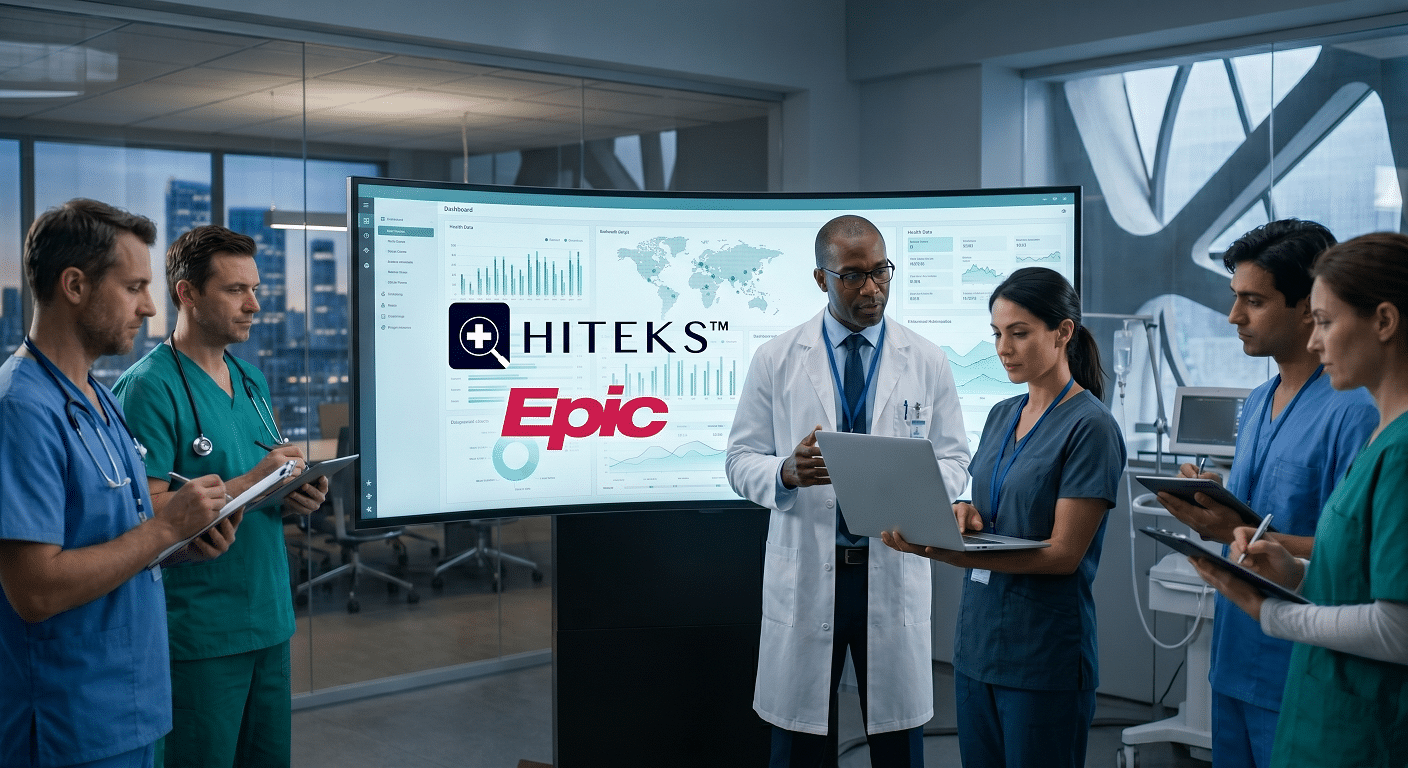
Instead, you could save yourself a lot of time and effort and sign on to Epic’s award-winning electronic health record systems, powered in part by HITEKS technology. You’ll be one in a long line of healthcare providers who have done so just this year, sometimes scrapping in-house systems in favor of the tailored-made Epic approach.
More and more hospitals are choosing Epic (and therefore HITEKS)
In 2026, ten new health systems are slated to go live on Epic, per Becker’s Healthcare reporting. Some of these include big healthcare operations like Michigan State University Health Care in East Lansing, Michigan, Missouri-based CoxHealth and five Mississippi hospitals.
These latest rollouts are just part of a trend, Epic is the leading company in the electronic health record market. In 2024, the Wisconsin-based healthcare technology company held roughly 42 percent of hospitals in the acute care electronic health record market, based on data from Becker’s. Oracle Health, one of Epic’s main competitors, only clocked in at about 23 percent.
Why are hospitals choosing HITEKS?
So many hospitals are choosing Epic and thereby HITEKS because they realize that progressing is better than being stuck in the past.
Henry Ford Health System in Detroit, for example, made the switch from their 25-year-old “homegrown” electronic health record system to Epic’s products. While they once described their revenue cycle features as a “patchwork quilt” that utilized roughly 20 different systems just for registration and billing, they are now settled into Epic’s one-size-fits-all solution. They have experienced an aggregate savings of $167 million.
At Mercy, one of the largest health systems in the U.S., the time it took to complete end-of-shift notes went down from 3.5 minutes per note to roughly 32 seconds, all due to Epic’s AI-boosted note-taking tools. The number of notes completed fully and within the right timeframe went up by 225 percent.
Other healthcare providers have reported a more than 20 percent drop in coding-related denials thanks in large part to using Epic’s and HITEKS’ products.
How HITEKS can help you
HITEKS stands out from other Clinical Documentation Improvement providers because we value surgical precision over speed. While other systems may have a high-level idea of the revenue cycle, HITEKS unearths what the data doesn’t immediately reveal. We are focused on the story the data is telling us, but what sets us apart is our ability to listen and to analyze.
Research shows that 60 percent of missed diagnoses are rare codes. But HITEKS’ tools, trained and revised by physicians, are able to find those clinical nuances that may go overlooked by less medically-knowledgeable algorithms.
Clinical data is notoriously complex and clinical documentation is notoriously time-consuming, but they don’t have to be. HITEKS is here to help.